
- Key Takeaways
- Understanding Co-Ownership
- What Happens to Joint Property After Death?
- How to Sever a Joint Tenancy
- The Unspoken Risks
- Strategic Estate Planning
- Get Professional Guidance
- Conclusion
- Frequently Asked Questions
- What is joint property in Alberta?
- What is the difference between joint tenancy and tenancy in common?
- What happens to joint property when an owner dies in Alberta?
- How can I sever a joint tenancy in Alberta?
- What are the risks of joint tenancy?
- Does adding a child to title help avoid probate in Alberta?
- What estate planning strategies work for co-owned property?
Key Takeaways
- Know how joint property in Alberta works and pick the right joint property in Alberta! Joint tenancy has the right of survivorship and tenancy in common has explicitly assigned percentage shares with no survivorship.
- Plan for what happens after you die so that things don’t get all tied up in knots. Joint tenancy generally passes to the survivor outside probate, while tenancy in common puts the decedent’s share into the estate and through probate.
- Update titles and mortgages after an owner dies to indicate new ownership. File your required documents with the Alberta Land Titles office and update lender records to avoid disputes.
- Joint property Alberta – Use clear ownership agreements to prevent conflict and manage risks. Specify contributions, decision-making rules, cost-sharing, buyout terms, and dispute resolution to address typical co-ownership situations.
- Consider that you can sever a joint tenancy as objectives or connections shift. Change to tenancy in common. Register the change and survivorship ends, meaning inheritance and estate plans.
- Get expert legal guidance for coordinating property ownership with your estate plan and Alberta law. A knowledgeable real estate lawyer can simplify transfers, deal with probate, and minimize exposure to creditor claims and family feuding.
Joint property Alberta is property owned by two or more people where each holds an equal interest with rights of survivorship. In practical terms, that means when one owner passes away, the other owner receives full title without probate. They use joint tenancy for houses, land, bank accounts, and certain investments. It’s different than tenancy in common, which allows owners to hold unequal shares and transfer their share through a will. Rules spring from Alberta’s Property Act, Land Titles Act, and common law. To establish joint title to land, owners have to execute a Transfer of Land and file it with the Alberta Land Titles Office. The core that follows lays out types, tax notes, risks, and steps with straightforward examples.
Understanding Co-Ownership
Co-ownership in Alberta is where two or more individuals have legal title to the same real property concurrently. Title records indicate the name of each owner and, when appropriate, their portion. When buyers take title together, one of their earliest decisions is how to hold that title because it determines control, exit options, and what occurs at death.
Joint tenancy provides each owner an equal, undivided interest with the right of survivorship. If an owner dies, his or her interest passes to the surviving joint tenants outside the estate, which can simplify estate administration. Owners must join together to sell or to mortgage. Severing a joint tenancy by conveying one’s interest to oneself converts it into a tenancy in common. This form fits those who seek automatic transfer to the survivor and an easy route to shared control, but it restricts the capacity to will a share.
Tenancy in common means that each owner has a specified interest, equal or unequal, that they may sell, mortgage, or bequeath. There is no right of survivorship. If a tenant in common passes away, their portion passes to their heirs via their will or intestacy, with death taxes potentially accruing. This structure provides flexible shares and sale paths, but it introduces probate steps and holdout risk if co-owners don’t want to sell.
Definite ownership agreements lower risk. A co-ownership agreement, in writing, should cover title form, each person’s share, who lives in or manages, cost splits (taxes, insurance, repairs), decision rules for major actions, default rules for missed payments, exits and buyouts with price method, dispute paths (mediation, arbitration), and what happens on death, breakup, or insolvency. In Alberta, co-ownership with a third party can affect family law claims: co-ownership with a non-spouse can prevent spousal claims of use and occupancy linked to dower. Remember, even if a home is in one partner’s name, the other can assert an interest on account of money or labor contributed to the home. Interdependent partners combine lives, function as a household and economic unit, and appear as a couple. Early clarity saves stress and money. Court cases can drag a year or more, and a negotiated deal may be done in months.
- Friends pooling funds to buy a first home
- Siblings inheriting a parent’s house
- Unmarried partners buying a condo
- Investors buying a rental duplex
- Parents added to title to support a child’s loan
In Canada, the two primary co-ownership types are joint tenancy and tenancy in common. They both provide co-ownership; however, they differ on inheritance, estate steps, and rights to sell. Getting ahead of co-ownership rights early can help you avoid expensive and stressful conflicts.
What Happens to Joint Property After Death?
Outcomes depend on how the title is held in Alberta. Joint tenants have equal interests with the right of survivorship, so a deceased owner’s share goes to the survivor outside the estate. Tenants in common have fixed percentage shares that form part of the estate and pass under the will or intestacy rules. Surviving owners acquire or retain ownership but still need to adjust land titles, mortgages, and insurance to reflect the new reality.
1. Right of Survivorship

With joint tenancy, the surviving joint tenant(s) assume the deceased owner’s share through right of survivorship. No gift in the will can divert that share since the entire interest passes outside the estate.
This transfer typically avoids probate, saving expense and delay. The survivor still has to register with the Alberta Land Titles office to effect change of title.
It’s about how that structure impacts heirs. Because the deceased’s interest does not pass into the estate, beneficiaries may take less than anticipated. Untangle estate planning issues, especially for blended families.
This protection only applies if the land title shows joint tenancy. If the joint tenancy is severed prior to death, survivorship ceases. Severance may take place by agreement of the parties, by a sale of a co-owner’s interest, or by conduct indicating the parties treated the land as tenants in common. Death by itself does not sever joint tenancy.
2. Tenancy in Common
Tenants in common have a specified share that can be equal or unequal.
When one owner passes away, his share becomes part of the estate and comes under the will or Alberta intestacy rules. No right of survivorship applies, therefore probate is required to complete the transfer. In some cases, an estate may petition a court to sever and hold the deceased’s portion in the estate where title was ambiguous.
Comparison:
- Survivorship: Joint tenancy yes; tenancy in common no.
- Estate involvement: Joint tenancy bypasses estate. Tenancy in common enters estate.
- Probate: Often avoided vs. required for deceased’s share.
- Shares are equal in joint tenancy and flexible in tenancy in common.
- Severance: By agreement, sale, or conduct; court order possible.
3. The Probate Process
Probate approves the will and authorizes the personal representative to handle estate assets. For TIC, the court grant is necessary to pass the decedent’s share to heirs or trust. Joint tenancy typically avoids probate for that asset, which can lower legal fees and eliminate months of delay. Anticipate filing fees, attorneys’ fees, appraisals, death certificate, will, inventory of assets, and notices to heirs. Court grant timelines can be anywhere from a few weeks to many months.
4. Transferring the Title
For joint tenancy where one owner passes away, submit a Transmission to Surviving Joint Tenant at the Alberta Land Titles Office with the death certificate, existing title, and forms filled out. If the survivor’s legal name changed, file the transmission with the old name, then do a Change of Name on Title. For tenancy in common, provide the grant of probate or administration, transfer documents, and relevant ID to transfer the deceased’s share to the estate or beneficiaries.
Update the mortgage, property tax account, home insurance and strata records to the new owner(s). Lenders can request assumption or refinance actions if the covenant changes.
Verify compliance with the Land Titles Act and associated regulations. Verify the specific type of co-ownership on title as jurisdictions and agreements differ. Alberta laws will dictate the course of recordation.
How to Sever a Joint Tenancy
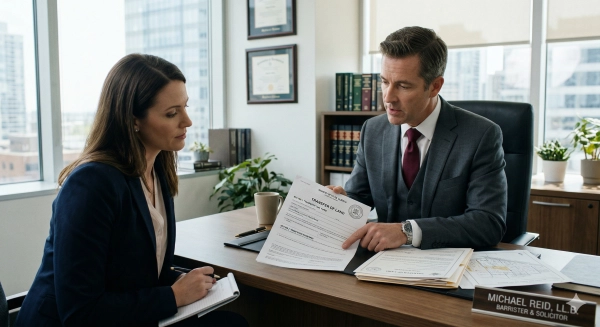
Joint tenants may sever their interests to a tenancy in common in any of three ways. First, by an act of one owner in respect to his own share, for example, by making a transfer of his interest to a stranger or to himself as a tenant in common. Second, by agreement, usually by way of a signed severance agreement and then registration. Third, by court order when parties are in conflict. The timeless Williams v Hensman case backs up the rule that one owner can sever by an act of his own share. Severance may arise in equity even if legal title is joint, for instance, where dealings manifest a common intention to hold distinct shares.
Reasons to sever a joint tenancy:
- End the right of survivorship for estate planning
- Protect unequal contributions to price or upkeep
- Resolve a relationship breakdown or business split
- Enable one owner to sell or mortgage their share
- Manage creditor risk or liability exposure
- Clarify fractional shares for tax or accounting
Process in Alberta focuses on Land Titles. Draw up the severance instrument, typically a transfer from the joint tenant to themselves as to an undivided x% as tenant in common or to a third party. Legal name(s), civic address, legal land description, and the new tenancy are required. If all owners agree, utilize a written agreement and a transfer evidencing TIC shares. Sign with witnessing and, if required, an affidavit of execution. Record the instrument at the Alberta Land Titles Office with necessary fees. Registration changes the title certificate from joint tenants to tenants in common specifying each share, for example, 50%/50% or 70%/30%. Without registration, third parties may not be bound and the title may still evidence survivorship. Court-ordered severance is more involved; there is a chambers application, supporting affidavits, and if accepted, filing the order for registration.
Severance eliminates survivorship. At death, the deceased’s portion goes under their will or intestacy, which can prolong probate and impact family expectations. Update wills and insurance after the severance.
The Unspoken Risks

Joint property in Alberta can work well. Gaps in planning cause hard, expensive problems. Flimsy records, ambiguous purpose, or unspoken assumptions invite contention, tax jolts, and creditor squeeze. A transparent co-ownership agreement and frequent audits reduce these risks.
Family Conflict
Family tension almost always begins when an owner passes away or partners separate. If one party wants to sell and the other resists, friction can escalate quickly, particularly when funds are low or deadlines collide. Even stress arises from unequal mortgage or expense payments or a move-out where the person expects a buyout on terms the other cannot come up with.
Absence of a cohabitation or partnership agreement compels folks to rely on statute and case law. That can force heirs, spouses, or adult interdependent partners into litigation to determine shares, occupancy or sale. Blended families and former partners complicate things, with a surviving spouse asserting rights to an estate that has obligations to children from previous marriages.
Disparate distributions, ambiguous bequeaths or a last-minute name change can stoke disputes. Bringing in a third owner can trigger dower rights concerns, to many folks’ surprise. About: The Unspoken Dangers Create a roadmap for buyouts, sale triggers and dispute measures to keep it out of court.
Creditor Claims
Creditors can come after a dead owner’s share to satisfy unpaid debt. There are unspoken dangers. Joint tenancy could shield the survivor in some circumstances by right of survivorship, but not if a creditor establishes a lien before death. Tenancy in common, on the other hand, exposes each owner’s share to collection, which can deplete the estate and postpone transfers.
| Ownership | Creditor Reach | Survivorship Impact | Practical Result |
|---|---|---|---|
| Joint tenancy | Limited, context-specific | Can block some claims post-death | Not absolute protection |
| Tenancy in common | Full reach to debtor’s share | No survivorship | Estate value can drop |
Loss of Control
Co-owners no longer have individual control to sell, refinance or do major renovations. Big moves typically require consensus, which introduces procrastination or gridlock. Rental plans, property use and timing of a sale can all stall, and land transfer tax exemptions may not suit all changes of shares. Arguments over how to report and split rental income per ownership shares cause tax risk, as do capital gains when the property sells. One owner’s missed mortgage payments strain the other and can crack trust. Embed hard decision rules, tie-break moves, cash call conditions, exit provisions and deadlines into the agreement.
Strategic Estate Planning
Joint property in Alberta can support clear goals: avoid probate, pass title fast, and reduce stress for heirs. Rights of survivorship in joint tenancy move the home to the survivor out of the estate, which may help with cost and timing. This is best when it suits the will, family requirements, and the Family Property Act regulations for spouses or adult interdependent partners.
Adding a child as joint owner is a commonly used technique to simplify transfer on death and reduce probate fees. In certain provinces, fees increase in proportion to estate value. British Columbia has one of the highest fees at approximately 1.4% of gross estate value. Alberta’s probate costs are very small, so the savings might be small there. Yet, the same step can introduce danger. You can lose total control if the kid says no to a sale or incurs debt that results in a lien. It can cause tax problems, such as deemed dispositions or capital gains if the child is no longer residing there. It can ignite sibling battles if one child is on title and others are not. A well-documented Letter of Intention can help demonstrate you intended a genuine gift or a bare trust, but it’s not a panacea.
A power of attorney is a cleaner vehicle than joint ownership when the objective is management during incapacity, not probate savings. It keeps title in your name, maintains control, and lowers the exposure to claims by a kid’s creditors or ex-partners. If joint tenancy exists, realize it can be severed, making it tenants in common. That shift ends survivorship and sends your portion through the estate, which may alter tax and timing results.
Match title with your will and beneficiary plan. Review the Family Property Act exposure for spouses or adult interdependent partners. Non-spouse co-owners may want to look into cohabitation agreements, interdependent partner agreements, or partnership agreements to determine who pays, who can force a sale, and buyout rules on death or breakup.
- Local law insight: Lawyers explain Alberta’s low probate costs and how they compare across provinces.
- Risk mapping: They flag tax traps, creditor risks and loss of control when adding a child.
- Document design: They draft cohabitation or partner deals, letters of intention, and precise POAs.
- Title strategy: They set up or sever joint tenancy and match title to your will.
Get Professional Guidance
Joint property in Alberta is a crossroads of real estate law, estate rules, and family property. Having clear guidance upfront allows you to plan, avoid conflicts, and control expenses.
Nigro Manucci is Albertans’ trusted real estate and estate planning partner for co-owners of homes, cabins, or rental units. We handle more complicated transfers such as co-owner additions and removals, title cleanup, and joint tenancy or tenancy in common structuring. For families, it handles probate, survivorship applications, and estate administration when a joint owner passes away. They draft and review co-ownership agreements, domestic contracts, and buy-sell terms that work in real life.
Joint setups differ, so tailored legal solutions matter. A couple purchasing a home on a joint mortgage requires clauses on mortgage payments, unequal down payments, and exit terms if one partner sells or moves. Friends purchasing a condo as tenants-in-common might desire specified shares, like 60/40, an agreement to divide condo fees, and guidelines on when to put the unit up for sale if one owner leaves. A brother or sister group holding a family home might require rules for use, maintenance, and buyout price connected to a neutral euro or dollar appraisal, but recorded in Canadian dollars on title.
Professional guidance mitigates risk and ensures compliance with Alberta law. In Alberta, property division rules apply to both married and common law partners once they meet the threshold of living together in a marriage-like relationship for at least three years or having a child together. A common law agreement can outline what remains separate, how joint assets and liabilities are divided, and who covers which expenses. When things become problematic, a written contract that addresses ownership shares, expense contributions, and a dispute resolution track of mediation followed by arbitration can ward off litigation and reduce stress.
Estate and title planning is equally important. In joint tenancy, a deceased owner’s share passes to the survivor, regardless of what the will provides. This might be helpful for a spouse but challenging for blended families. Early advice can recommend tenancy in common with wills or a trust to fit your intent.
Tackle money issues now. If payments slip, consult counsel quickly to learn about forbearance options, sale timelines, and creditor rights.
Conclusion
Joint property Alberta can work great with defined objectives and consistent maintenance. Titles, wills, and deeds lay out the law. Little leaks can create huge strain. A joint home for a couple in Calgary can go seamless to the survivor. A rent split by three buddies in Edmonton might not. Equity shifts, buyouts, or tax can all ignite hard conversations.
To minimize risk, maintain accurate records. Get the important stuff down in writing. Look at the title type annually. Write buyout calculations in plain language. For example, set a price approach such as fair market value minus specific expenses. Disclose who pays the lawyer and land fees.
To navigate with confidence, schedule a quick consult with an area real estate attorney or planner today.
Frequently Asked Questions
What is joint property in Alberta?
Joint property is when two or more people own the same property. In Alberta, the two most common forms are joint tenancy and tenancy in common. The form you select impacts control, transfer, and on death. Own it right – legal advice to make ownership fit your goals.
What is the difference between joint tenancy and tenancy in common?
Joint tenancy with right of survivorship. The surviving owner immediately takes the deceased’s portion. Tenancy in common does not allow this. Each owner has a separate share which may pass by will. Choose according to estate and tax objectives.
What happens to joint property when an owner dies in Alberta?
With joint tenancy, the deceased’s share goes to the survivor outside probate. With tenancy in common, the dead person’s share passes to the estate in accordance with the will or intestacy rules. Record the ownership type explicitly on title.
How can I sever a joint tenancy in Alberta?
You may sever by filing a transfer to yourself, a written agreement, or court order. Submit the appropriate forms to Land Titles. Think about tax, mortgage terms, and family law issues first. Seek legal counsel prior to changing title.
What are the risks of joint tenancy?
Risks consist of inadvertent disinheritance, exposure to a co-owner’s creditors, family law claims, and loss of control. It can conflict with your will. Joint property alberta
Does adding a child to title help avoid probate in Alberta?
It might bypass probate for that property, but can cause tax issues, creditor exposure, loss of control and family squabbles between heirs. It can create family law exposure. Think trusts or other planning tools instead. Receive custom guidance.
What estate planning strategies work for co-owned property?
Utilize good title structure, current wills, lasting powers of attorney, and beneficiary designations. Think trusts, cohabitation or partnership agreements, and insurance. Synergize tax and family law strategizing. Survey after two, three, or four big life events. Consult a professional.
Not what you were looking for? Explore Nigro Manucci’s trusted legal resources and services for businesses and individual properties across Alberta.
Legal Support for Commercial Property Transaction
Expert Legal Services for Your Property Needs
Expert Real Estate Legal Services
If you’d like to explore additional information about property laws and estate planning turn to these trusted resources: