
- Key Takeaways
- The Offer to Purchase
- Sherwood Park’s Spring Market
- Uncovering Hidden Issues
- Securing Your Financing
- Understanding Property Title
- The Role of Legal Counsel
- Engage a real estate lawyer to review all agreements before signing.
- Ensure compliance with Alberta laws and local regulations throughout the transaction.
- Rely on legal counsel to identify and resolve potential legal pitfalls.
- Use professional guidance to avoid costly mistakes and protect your interests.
- Conclusion
- Frequently Asked Questions
- What should I include in an Offer to Purchase in Sherwood Park?
- When is the best time to buy in Sherwood Park’s spring market?
- How can I uncover hidden issues before buying?
- How do I secure financing for a Sherwood Park home?
- What should I know about property title in Alberta?
- Do I need a real estate lawyer to buy in Sherwood Park?
- How can I strengthen my offer in a competitive market?
Key Takeaways
- Get every important term on paper – price, deposit, possession dates, conditions, chattels, warranties, holdbacks, and the correct legal description of the property. Check for clauses that could lead to legal or financial obligations and ensure that all the parties’ names are accurate.
- Set firm buyer conditions like financing, home inspection, and sale of your existing home. Add a withdrawal clause if conditions cannot be met to protect your deposit and minimize risk.
- Itemize inclusions like fixtures and appliances. List the brand and serial number where possible. Exclude anything not included in the sale and check the list before you sign to avoid headaches later on.
- Get ready for Sherwood Park’s hot spring market – faster sales and more competition than ever. Make sure you’re acting quickly on suitable homes and track local data on inventory and average days on market to time strong offers.
- Final due diligence includes inspection, title searches, and financing in place. Shop loans, satisfy lender contingencies and financing conditions, fill financing contingencies, verify that title is free of any liens or encumbrances, and obtain title insurance.
- Bring in a real estate lawyer early to look over contracts, ensure compliance with Alberta regulations, and structure holdbacks for unresolved issues. Establish reasonable possession and closing dates and track all deadlines to prevent violations.
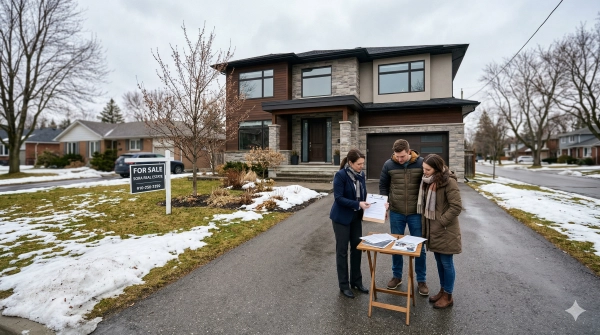
Sherwood Park home buying is the act of selecting, purchasing and closing on a house in Sherwood Park, Alberta. Buyers tend to begin with budget ranges, usually ranging between CAD 350,000 to 800,000 for condos to single-family homes, and pit Broadmoor, Foxboro and Heritage Hills against each other for schools, parks and commute connections. Listings sell regularly, with days on market averages close to the regional average, and deals typically have financing and inspection conditions. To budget expenses, include mortgage rates, land transfer taxes, legal fees, GST or HST exemptions where applicable and home inspection fees. Local information on inventory, price per square metre and recent sales provides vivid context. The following sections detail steps, timelines and key checks.
The Offer to Purchase
A good offer to purchase outlines the terms and conditions of the sale, what is included, and establishes timelines. It’s a binding contract, after all, so it’s important to get it right and easy for your transaction to flow smoothly whether in Sherwood Park or any other market.
| Term | Details (example) |
|---|---|
| Purchase price | CAD 520,000 |
| Deposit amount | CAD 15,000 (held in brokerage trust) |
| Payment schedule | Deposit within 2 days of acceptance; balance on closing |
Verify that all parties’ full legal names and the property’s municipal address, legal description, and any unit or parking information are accurate. If it’s important, it’s in writing. The seller must maintain the premises in essentially the same condition as when the offer was accepted. Go over each section for legal or monetary obligations prior to signing.
1. Conditions
List buyer conditions in plain terms: financing approval from a named lender, good home inspection by a qualified inspector, condo docs review if applicable, and sale of the buyer’s existing home if necessary.
To prevent drift, establish a clear, dated deadline for each condition. For instance, financing is due by day 7, inspection is due by day 10, and doc review is due by day 12.
Add an escape clause that the buyer can back out if anything is not met by its deadline, with written notice.
Make sure all terms and dates reside within the written offer, not in emails or phone conversations.
2. Inclusions
Itemize fixtures and appliances that will stay: built-in lights, window coverings, dishwasher, fridge, range, washer, dryer, and garage door remotes.
Where you can, add brand, model, and serial number, for example, “Samsung RF28T5001, SN: 0ABC12345.” This reduces swap-out risk.
List exclusions too: seller’s dining chandelier, smart thermostat, or planters. Let’s be clear on what’s part of the offer.
Make a last cross-check of inclusions and exclusions prior to signing.
3. Timelines
Specify possession date, condition deadlines, document delivery dates, and closing date in your contract.
Account for financing, inspections, appraisal, title search, and legal review. Add a few days padding for delays.
Select a practical closing that works with movers, utilities, and notice periods. Then keep tabs on every date to prevent breach.
Conditional on what? If conditions aren’t met, the buyer gets their deposit back. If the buyer walks after waiving conditions, the seller can keep it (Section 4.8). The deposit is a gesture of good faith and demonstrates skin in the game.
4. Warranties
Ask for roof, HVAC, water heater, and appliance warranties, and attach documents. Explain if they go to the new owner and what needs to be done.
Document any seller warranties regarding repairs or the condition of the house. Put terms and expiry dates in writing. Warranties survive the closing, as stated in Section 6.2b, so they still protect you after possession.
5. Holdbacks
Employ holdbacks when repairs or permits are outstanding at closing. Specify how much is held, who is holding it in trust, and the specific release provisions.
Scale the holdback to worst-case costs, including tax and labor. Get all holdback terms in the contract; don’t leave them to argue about later.
Sherwood Park’s Spring Market
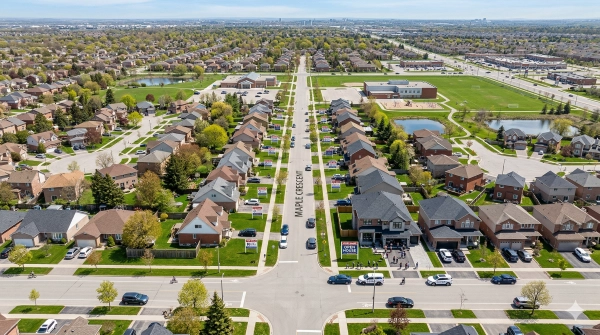
Spring in Sherwood Park tends to be fast-paced. The location is one of the most sought-after communities in the area, with excellent schools, peaceful kid-friendly avenues, and rapid connections to top employment centers. Many Edmonton-area owners begin prep work prior to the thaw, so listings tend to pile in late March and April. Still, spring changes from year to year, and buyers should use data, not buzz, as the compass.
Recognize increased competition and faster sales during spring months.
Spring is typically the busiest time, so that translates into more showings, more offers, and less time on the market! Sherwood Park’s Spring Market We had 84 residential sales in Sherwood Park last February, a 4.55% drop from February 2025, but the pace on well‑priced homes remained brisk. An average 3 bedroom detached near transit, listed near the local median will attract multiple showings within days of the weather breaking. Sherwood Park’s Spring Market: Townhomes with attached garages and updated kitchens move fast, as they tend to fit the most common needs and budgets.
Prepare for potential bidding wars and higher listing prices.
The average asking price in February was $525,000, up 5.36% year over year. New listings dropped 8.06% to 114. Less new listings put buyers on the hook to compete for immaculate, move-in ready homes. Put a cap before you visit. Bring your proof of funds, pre-approval, and short offer timeline. If you’re up against a close race, think about flexible terms, like a swift inspection window or a seller-favored possession date, not just upping the price.
Act quickly on desirable properties to avoid missing out.
Speed is good. Go for intelligent speed. Look over typical contracts beforehand, get on the same page about non-negotiables, and have your lender and inspector on speed dial. If a sunny south-facing bungalow in school catchment ticks your boxes, put in a full offer same day. If it needs major work, pass and refocus. Spring produces more options, and clean listings don’t stick around.
Monitor local trends for inventory levels and average days on market.
Follow the weekly new listings, price changes and days on market. If listing activity remains low into late spring, anticipate more intense competition in late 2026. That might generate modest price growth if demand remains firm and inventories remain lean. Follow micro areas as well. A cul-de-sac near a top school may go faster than a comparable home located a bit further.
Uncovering Hidden Issues
A meticulous inspection of a Sherwood Park home minimizes hazards and assists you in establishing reasonable conditions prior to your agreement. The objective is to discover what you cannot see at a showing, then prepare for it with data, time, and a defined budget.
Schedule a comprehensive home inspection before finalizing the purchase.
Hire a qualified inspector after your offer is accepted but before you remove conditions. A home inspection is not a pass or fail test and it won’t find every issue with a property, but it provides an organized perspective on major systems. Anticipate two to four hours on site, more for big or older homes. They look at safety and function before anything else, walking roofs where safe, testing outlets and breakers, plumbing fixtures and visible pipes, and scanning the attic and crawlspaces. Attend if you can. You can observe, pose direct inquiries, and witness issues as they occur, enabling you to compare costs and risks with your agent and lawyer.
Investigate for common problems like water damage, mold, or foundation cracks.
Water is usually the culprit. Check for stains along baseboards, soft drywall or musty odors in basements and bathrooms. Freeze-thaw cycles and expansive clay soils in some areas of Alberta can heave foundations and open up cracks. Have your inspector map and size any cracks and check for movement. Sewer lines in older neighborhoods can be subject to root intrusion, blockages, collapses or brittle materials. A sewer scope camera provides additional clarity that a standard inspection overlooks. Test for radon, an invisible, odorless gas connected to long-term health concerns. Long-term tests provide the most accurate read in Alberta’s climate. Pay attention to materials in pre-1990 zones, as asbestos in duct wrap, floor tiles or vermiculite may require abatement, which can run anywhere from $2,000 to $10,000.
Review the seller’s property disclosure statement for known defects.
Research the disclosure for previous leaks, insurance claims, unpermitted work, or recurring issues with the roof, plumbing, or electrical. Verify assertions with scrutiny. If a vendor exposes a roof patch, check the age of the shingles and the vents. If they deny any water issues but you observe efflorescence on basement walls, flag it and investigate with records or additional testing.
Budget for possible repairs or negotiate credits if issues are found.
Price out fixes with licensed trades. For instance, a sewer line spot repair, radon mitigation fan, or panel upgrade all have different costs. Use quotes to ask for repairs, reductions in price, or closing credits, and reserve for near-term needs.
Securing Your Financing

Financing influences what you’re able to purchase in Sherwood Park and the way you present your offer. Map out your budget, align it with lender guidelines, and protect your deposit with appropriate contingencies.
Create a checklist to ensure all financing requirements are met.
- Confirm budget: list income, fixed costs, emergency fund, and safe monthly housing spend in CAD. Exchange any non-CAD income at a fixed rate.
- Credit file: Pull reports from major bureaus, dispute errors, and target a clean 24-month history.
- Documents: Last 2 years of tax returns, recent pay stubs or contracts, 3 to 6 months of bank statements, ID, and proof of down payment or gift letter if any.
- Property type fit: Lenders view new construction and move-in-ready homes as lower risk. These can help keep payments steady and ground your approval chances, particularly with 100% financing.
- Existing home: Verify current home value and equity if you own. This counts when purchasing with minimal or no down payment.
- Rate holds and pre-approval: secure a written pre-approval with a rate hold and stated conditions.
- Closing costs: plan for appraisal, legal fees, title insurance, tax adjustments, and inspection. Set aside a buffer of 1 to 3 percent of the price.
Compare loan options for best rates and terms.
Gather quotes from banks, credit unions and brokers for fixed versus variable rates, open versus closed terms, portability, prepayment rights and penalties. Request APR, not just the banner rate, and price mortgage default insurance if your down payment is less than 20% or if you aim for full financing. If you’re going for 100% financing, anticipate tighter property and debt limits, which is why so many buyers stay under lender qualification ceilings and under-builder on new builds to keep monthly payments in line. Test scenarios at two points higher to find out if the payment still fits your budget.
Understand lender requirements for down payment and credit score.
Most lenders tier rates with score bands and DTI thresholds. A clean payment history, low credit use, and steady work matter more than a single high score. Getting 100% financing doesn’t mean you’re off the hook. It means you pass tighter rules, prove stable income, and select properties that suit lender risk models. This path is feasible if you’re looking to preserve savings, but begin by verifying your existing home’s value, your budget, and your equity.
Ensure financing conditions are included in your offer to protect your deposit.
Include a financing clause with timelines, appraisal access and escape clause. Keep the condition reasonable. Seven to ten days is typical and time it with your pre-approval expiration. Lots of 100% buyers use forceful conditions to strategize smarter, prevent surprises, and proceed with assurance.
Understanding Property Title
Property title indicates who owns the home and what rights that ownership includes. In Sherwood Park, this sits on Alberta’s public land title system based on the Torrens model. Title is with the province and is not followed in chains of ancient deeds. When you buy, your name appears on the register and the province issues a Certificate of Title. That record is the title, the legal evidence of ownership short of demonstrated fraud. It records all third-party rights attached to the land, so you take encumbrances up front.
Title begins when land is first divided into lots. Each lot receives a title which you can get for ownership, sale, or finance verification. Registered and unregistered interests are recognized in Alberta. Registered items are listed on the Certificate of Title and bind subsequent owners. Unregistered interests still matter in limited cases but do not carry the same legal weight. The province’s centralized system provides buyers with great confidence, decreasing risk throughout transactions.
Understand what you’re really buying. Confirm that it matches what’s on title before closing. Verify the legal description, municipal address, and plan number. Compare the actual boundaries on the ground to the survey and title plan. When in doubt, order an RPR and have the seller provide municipal compliance. A fence that sits 0.3 meters over a line can make future work or resale complicated.
Effective Property Title Assistance Use the Western Law Societies Conveyancing Protocol, standard in Alberta purchase contracts, to accelerate closing while maintaining proper due diligence. Your lawyer examines existing title, arranges for payoff of burdens, and records your ownership once monies flow. This allows you to catch lapses early and keep the registration road clear.
Title insurance provides a safeguard. It can protect against hidden defects, survey mistakes, fraud, or some off-title problems that arise after closing. It doesn’t substitute a title search, but it can cover repairs or loss if a missed defect emerges. The policy is a one-time premium attached to the property and may insure lenders and owners.
| Element | What it is | Why it matters |
|---|---|---|
| Lien | Claim for unpaid debt | Must be paid/released before or at closing |
| Easement | Right to use land (e.g., utility) | Limits where you can build or plant |
| Encumbrance | Any third‑party burden on title | Affects use, value, and resale |
The Role of Legal Counsel

Legal counsel brings clarity and control to Sherwood Park home buying. A real estate lawyer mitigates risk, keeps the transaction moving, and ensures that every step complies with Alberta laws and local regulations.
Engage a real estate lawyer to review all agreements before signing.
Have a lawyer review the purchase contract, any addendums, and condition clauses before you sign. They flag vague terms on deposit releases, repair credits, chattels, and fixtures. They test deadlines for financing and inspections so you do not waive a key right by mistake. If a seller asks for a rent-back, your lawyer can add a short lease with clear end dates, daily rates, and damage terms. For condos, they check bylaws, reserve fund studies, and special assessments so you know current rules and future costs. They set up title insurance, including optional owner’s coverage, which can protect against defects, survey gaps, or fraud.
Ensure compliance with Alberta laws and local regulations throughout the transaction.
In Alberta, conveyance steps count. Your lawyer drafts and reviews transfer documents, administers trust funds, and registers the title at the Land Titles office. They ensure property taxes are paid up, check with the municipality on permits, and verify RPRs and compliance certificates where applicable. For new builds, they check warranty coverage and holdback rules. For refinancing, they verify taxes, determine what is owing inter-party, and ensure the seller’s mortgage is thoroughly discharged.
Rely on legal counsel to identify and resolve potential legal pitfalls.
The old ‘caveat emptor’ still holds. Your lawyer orders title and tax searches to identify any liens, caveats, easements or unpaid utility bills. For example, if a previous encroachment or right-of-way impacts a proposed fence or garage, they detail restrictions and choices. If a title defect pops up late, they negotiate repairs, holdbacks, or closing delays on your behalf. When strata minutes indicate water-damage claims, they demand papers, testing or a price discount.
Use professional guidance to avoid costly mistakes and protect your interests.
Attorneys handle closing logistics, work with lenders and key dates, which reduces stress. They verify funds availability, timing of possession and insurance so you don’t risk breach. If a dispute arises post-closing, such as undisclosed defects, they counsel on remedies and assist civil litigation if necessary.
Conclusion
To buy in Sherwood Park with less stress, keep to the plan! Establish a hard budget. Secure a rate. Secure money for a down payment and closing costs. Keep an eye on spring stats. Market days plummet in April and May. Keep your offer terms straightforward. Price, deposit, dates, and key checks such as the condo documents and full home inspection.
Think about title searches in advance. Inquire about liens and rights of way. Just keep a lawyer in the loop. Little things can kill a deal. Examples go a long way. A cracked heat line, poly-B pipes, or a condo with low reserves can affect price or timing.
Need assistance to plan next steps? Contact us to begin a quick strategy.
Frequently Asked Questions
What should I include in an Offer to Purchase in Sherwood Park?
State price, deposit, conditions (financing, inspection), closing date, inclusions. Include dates for condition removal. Make the offer contingent upon inspection and financing approval. Negotiate with a local realtor to put terms in place that protect you.
When is the best time to buy in Sherwood Park’s spring market?
Early spring still tends to have more listings and competition. Homes that are well priced move quickly. Get pre-approved, set alerts, and be prepared to tour quickly. A seasoned agent will help you find value and negotiate like a pro.
How can I uncover hidden issues before buying?
Get a pro home inspection. Review permits, reno history and recent bills. Check for moisture, foundation cracks and roof age. Consider a sewer scope, and mold or radon testing where necessary. Research your area’s flood maps and disclosures.
How do I secure financing for a Sherwood Park home?
Get a mortgage pre-approval first. Compare lenders for rates, terms, and penalties. Prepare documents: income, assets, debts, and identification. Don’t make any major purchases prior to closing. Lock your rate when your broker recommends it. Save a cushion for closing!
What should I know about property title in Alberta?
Verify the owner of record, registered mortgages, liens, and easements. Check RPRs and compliance. Title insurance can safeguard against some defects and fraud. Your lawyer will review and explain the title prior to closing.
Do I need a real estate lawyer to buy in Sherwood Park?
Yes. A lawyer checks title, handles paperwork, holds money in trust, and records the transaction. They safeguard your interests, demystify risks, and help close the deal seamlessly. Their advice can save you thousands.
How can I strengthen my offer in a competitive market?
Demonstrate solid financing with a pre-approval. Provide a possession date that is flexible. Add a little extra to your deposit too, just to show you really mean it. Minimize contingencies, but maintain important safeguards. With the help of your agent, deploy a perfectly timed, crisp offer.
Not what you were looking for? Explore Nigro Manucci LLP to see how experienced lawyers support real estate transactions, corporate matters, notary services, and estate planning across Alberta.
For additional information and guidance you may check these reliable resources:
Home Buying Guides and Mortgage Insights
Real Estate Appraisal – Understanding How Property Value is Assessed